1. The history behind the name
There are two stories about the origin of the name Berlin. Centuries ago, there was a margrave who founded Brandenburg, his name was 'Albrecht the Bear'. Many believe that the name is based on this margrave. However, historians cannot confirm this, as there is no evidence that Berlin was named after him. The name could also come from the word 'berl'. This is the Slavic translation of the word swamp. The place where the city was founded was a swampy area on the River Spree. Therefore, the name Berlin seems to refer more to the landscape in which the city was founded than to a historical person.
2. The television tower is the tallest building in Germany
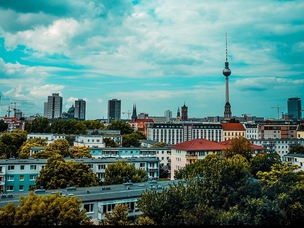
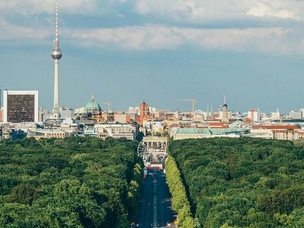
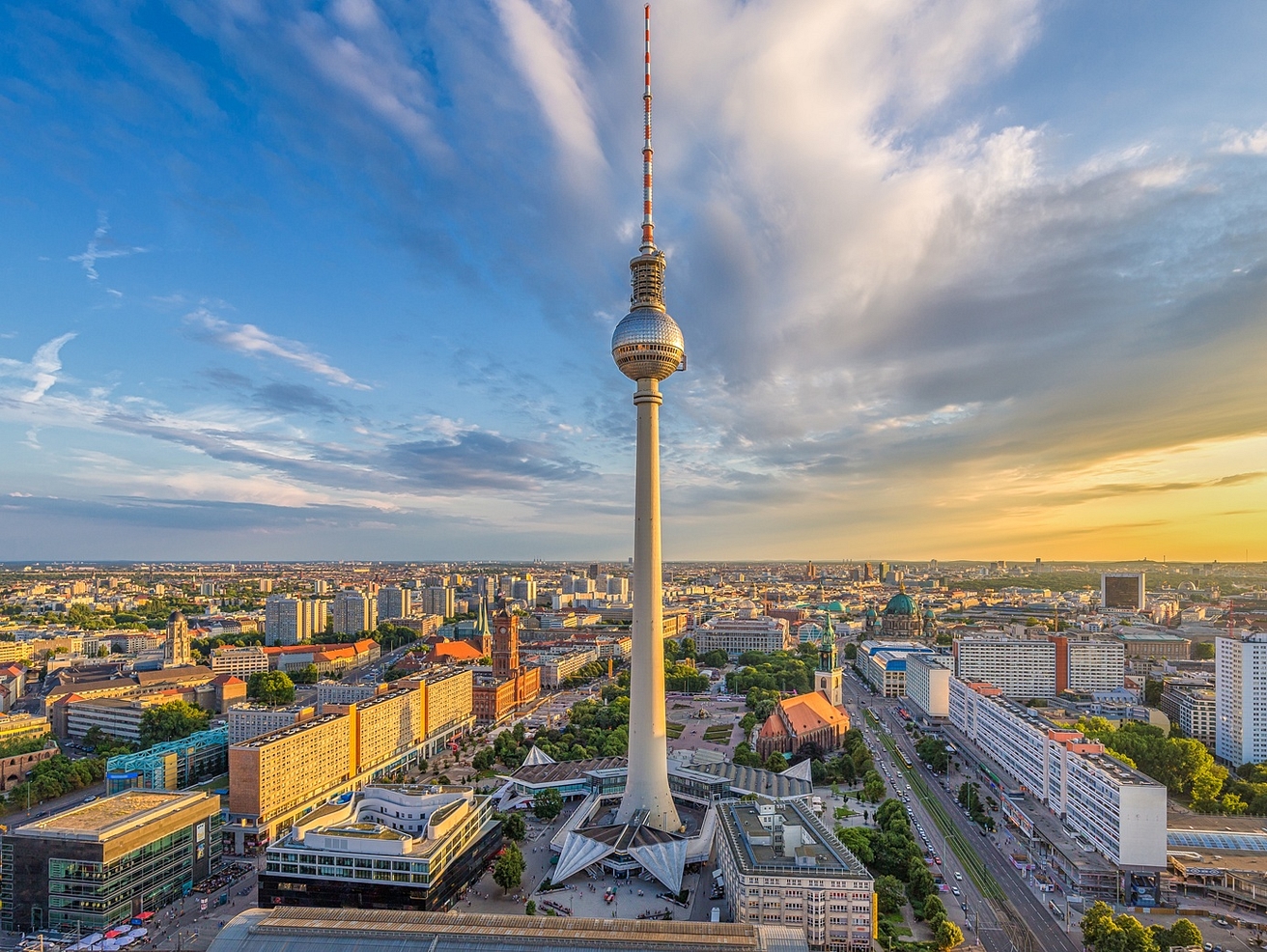
The television tower, which dominates the skyline of Alexanderplatz, is the tallest building in Germany at 368 metres. With its viewing platform at 203 metres and revolving restaurant at 207 metres, the television tower offers a breathtaking panoramic view of Berlin. It is a must-visit attraction for anyone who wants to see the city from a bird's eye view or enjoy a good meal with a view of the city.
3. Around 950 döner skewers are eaten every day
The döner kebab, a culinary delicacy typical of Berlin, occupies a special place in the city's gastronomic landscape. Introduced in 1972, this beloved fast food has become an integral part of Berliners' lives. Although the döner is inspired by Turkish kebabs, legend has it that the döner kebab originated in Berlin. The difference lies in the use of pita bread, spiced meat and sauces. On average, around 950 döner skewers are consumed every day. Whether it's lunch, dinner or a snack after a party at 2 a.m., the local kebab shop is the place to go to satisfy your hunger throughout the day.

4. Berlin is almost 9 times bigger than Paris
With an area of 892 square kilometres, Berlin is almost nine times the size of Paris. Despite its enormous size, Berlin does not feel overwhelmingly large, thanks to its population density. With 4,000 inhabitants per square kilometre, the German capital offers a more open atmosphere than Paris, where the density is much higher at 21,000 inhabitants per square kilometre. This makes the city feel more spacious, especially when compared to the busy streets of Paris.
5. Unique traffic light: the beloved Ampelmännchen
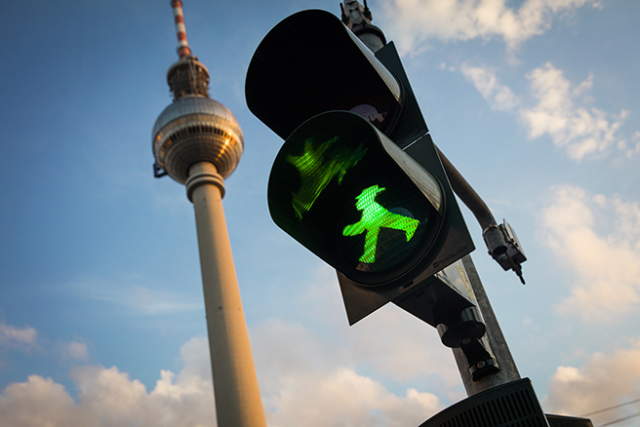
Berlin has an interesting connection with traffic lights. Europe's first traffic light was installed on Potsdamer Platz in 1924. During the division of the country, each side had its own traffic light figure. After reunification, attempts were made to replace the iconic Ampelmännchen with its West German counterpart. However, this met with fierce resistance from Berliners, leading to large-scale protests. This resulted in the cheerful traffic light figure being included in the city's guidelines, thus preserving its cult status as a symbol of Berlin's identity.
6. Berlin's public transport system
The world's largest public transport system can be found in Berlin. It is so large that it could circle the earth 8.7 times every day. The Berlin public transport system consists of buses, subways, trams and trains that take you to your destination. It is approximately 4,473 km long in total. In addition to the standard public transport network, there are also Hop-On Hop-Off buses. The Hop-On Hop-Off buses take you to the must-see sights in Berlin. Hop on at the stops near a hotspot and hop off whenever you want. You can book tickets for the Hop-On Hop-Off bus here.
7. More museums than rain
The German capital, a city steeped in culture, has around 190 museums and non-commercial galleries. Regardless of the annual rainfall, which varies from 106 to 170 days, Berlin is constantly committed to preserving and presenting its history and artistic creativity. The city's cultural wealth is reflected in its diverse range of museums, making it a paradise for art and history lovers.
8. Sending greetings
Another fun fact about Berlin is that the postcard was actually invented here. In 1865, Heinrich Stephan, the postmaster of Berlin's main post office, came up with a proposal. He presented a small, simple piece of white cardboard with a postage stamp on it. Stephan saw this as a better alternative to the standard letter, as it was cheaper, easier to send and shorter in terms of messages. At first, the participants of the German Postal Association conference did not like the idea that messages could be read by everyone. But after the introduction of the correspondence card by Austria-Hungary in 1869, Stephan officially brought the postcard to Berlin in 1870.
9. Berlin has been around longer than Germany
This big city consisted of two villages in the 13th century: Berlin and Cölln. The first written mention of Cölln dates back to 1237, while Berlin first appeared in 1244, both in a historical document. In 1307, the two villages merged into one city. This was due to the threat posed by the rulers of Bavaria and the Mongols. A few centuries later, in 1871, Germany was officially formed into a united empire. This means that the city of Berlin has existed much longer than Germany!
10. The capital of Germany has more than 1,000 Spätis
Kiosks in Berlin are known as 'Späti' and with more than 1,000 kiosks spread across the city, they have become an irreplaceable part of everyday life for Berliners. Originally established in East Germany to meet the needs of night workers, Spätis have become a cultural phenomenon. Spätis are open 24 hours a day, offering Berliners a convenient way to stock up on food, snacks or drinks at any time of the day. Which reflects the lively and dynamic lifestyle of the city.
11. Berlin Zoo is the second oldest zoo in Europe
One of the oldest zoos in Europe that is still operating can be found here. Berlin's Zoological Garden was founded in 1844 and is located in the city centre. There is another zoo in the east of the city: Tierpark Berlin Friedrichsfelde. The two zoos work closely together. Zoo Berlin is also the only zoo in Germany from that time that still exists today. Many different animal species live on the 35 hectares of the zoo. Those include: giant pandas, giraffes, elephants, okapis, penguins and snakes, and many more. Whatever your favourite animal is, you are sure to find it at Berlin's Zoological Garden.
12. Largest open-air gallery in the world
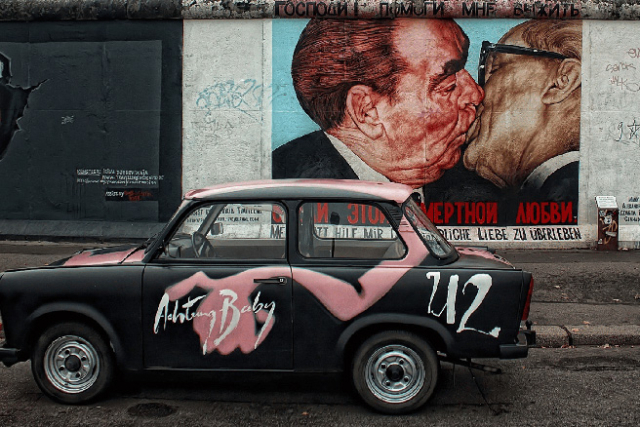
Berlin is proud of the East Side Gallery, an extraordinary display of artistic expression and historical significance. With an impressive length of 1,316 metres, it is the longest open-air gallery in the world and contains the longest remaining section of the Berlin Wall. The gallery was painted in 1990 by 118 artists from 21 countries and contains 106 unique works of art. In particular, the mural 'Fraternal Kiss' depicting former Soviet leader Leonid Brezhnev and Erich Honecker of the GDR remains the most photographed work of art. The East Side Gallery attracts up to 3 million visitors annually and offers a vibrant and compelling experience in the heart of Friedrichshain.
13. Special UNESCO sites
Berlin is home to three UNESCO World Heritage Sites:
- Prussian Palaces and Gardens
- Museum Island
- Modernist Housing Estates.
The palaces and parks were built between 1730 and 1916 in various European architectural styles. The heritage reflects Frederick the Great's ambition to transform Potsdam into a royal city and has been on the UNESCO list since 1990.
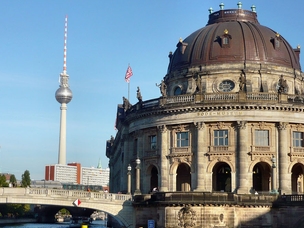
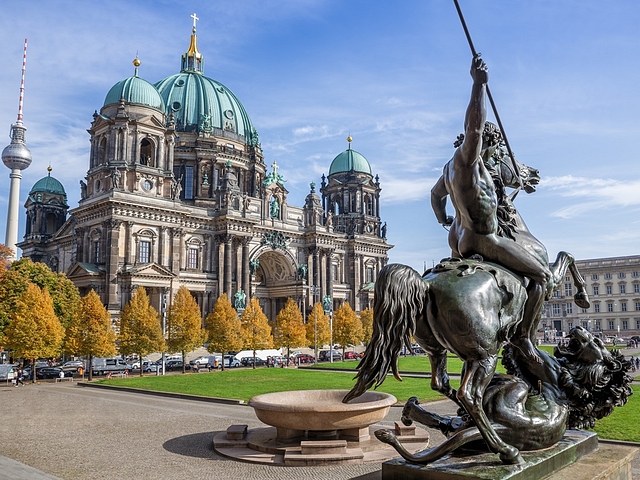
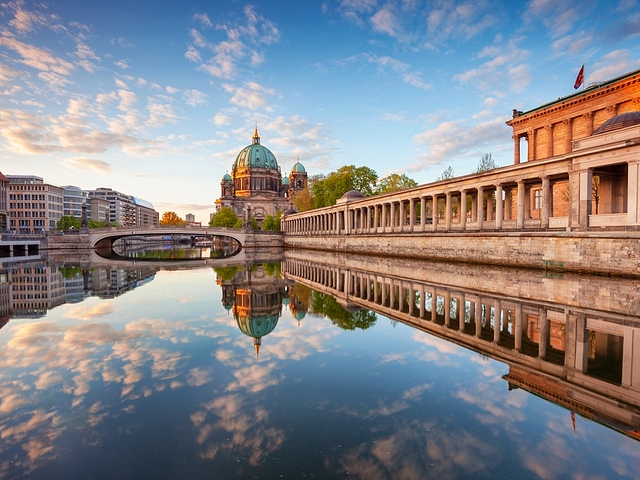
Along the River Spree, you will find Museum Island, a place with five museums built close together between 1824 and 1930. The museums you can visit here are: the Alte Nationalgalerie, the Altes Museum, the Bode Museum, the Neues Museum and the Pergamon Museum. The museums are built in such a way that the buildings complement the art collections, making them more visible. Museum Island has been on the UNESCO World Heritage List since 1999.
In addition, the six modernist housing estates in Berlin have been included in this list since 2008. Together, they provide an insight into the innovative housing policy of 1910 and 1933. These housing estates showcase new ideas about urban planning and architecture for people on lower incomes.
This approach had a global impact on housing construction. Berlin holds the title of “UNESCO City of Design”, reinforcing its status as a creative centre within the UNESCO network of creative cities.
14. 22 Michelin-starred restaurants
Berlin has a total of 22 Michelin starred restaurants, proving that fine dining is a high priority here.
- 17 restaurants have 1 Michelin star
- 4 restaurants have 2 Michelin stars
- 1 restaurant has 3 Michelin star
Some restaurants with one or more Michelin stars include Horváth, Coda, Loumi, Pars and Rutz. The capital of Germany has the largest selection of restaurants for vegetarians and vegans. There are a total of 225 vegan restaurants. This is in line with the fact that Berlin has the most restaurants with a green Michelin star in Europe, with a total of six. It is also a great place for lovers of old restaurants. The 'Zus letzen Instanz' restaurant has been around since 1621 and is still open to this day. Even Napoleon had dined here!
15. 180 km of waterways
Although Venice and Amsterdam are known for their canals, Berlin surpasses them with a network of 180 kilometres of waterways. The size of the city contributes to this water wonder. Although Amsterdam has more bridges with over 2,000, Berlin's 1,700 bridges add a distinctive architectural charm to the water-rich landscape.
This city has it all: history, culture and uniqueness
Berlin is a city with many charming features, combining history, culture and uniqueness. Every part of the city has an interesting story to tell, making it an exciting place that surprises both residents and visitors. If you are planning a trip to Berlin soon, be sure to check out the TV tower, the open-air gallery, Museum Square, the zoo or one of the many other great places to visit. With this blog, you'll be able to surprise your fellow travellers with fun facts about Berlin.